الوضع الليلي


 3:44:47
  2024-12-25
  1836
1836
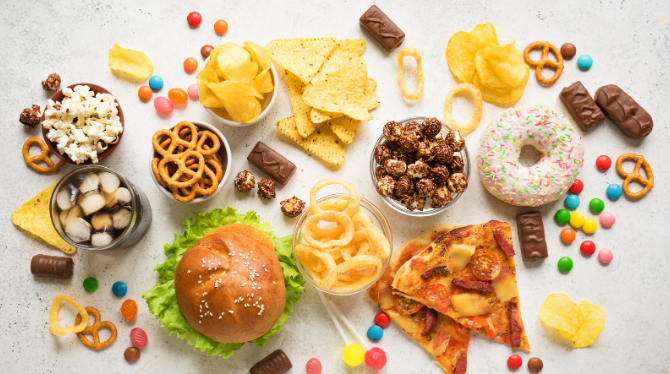
Stress can manifest in our eating habits, leading to what is known as emotional or stress eating. There are certain foods we tend to eat more of when we're stressed, and these can affect our health. What's more, our food choices can influence our stress levels and make us feel worse. Here's how.
Why we might eat more when stressed
The human stress response is a complex signaling network across the body and brain. Our nervous system then responds to physical and psychological events to maintain our health. Our stress response – which can be subtle or trigger a fight-or-flight response – is essential and part of daily life.
The stress response increases production of the hormones cortisol and insulin and the release of glucose (blood sugars) and brain chemicals to meet demand. Eating when we experience stress is a normal behaviour to meet a spike in energy needs.
But sometimes our relationship with food becomes strained in response to different types of stress. We might attach shame or guilt to overeating. And anxiety or insecurity can mean some people under-eat in stressful times.
Over time, people can start to associate eating with negative emotions – such as anger, sadness, fear or worry. This link can create behavioral cycles of emotional eating. "Emotional eaters" may go on to develop altered brain responses to the sight or smell of food.
What stress eating can do to the body
Stress eating can include binge eating, grazing, eating late at night, eating quickly or eating past the feeling of fullness. It can also involve craving or eating foods we don't normally choose.
For example, stressed people often reach for ultra-processed foods. While eating these foods is not necessarily a sign of stress, having them can activate the reward system in our brain to alleviate stress and create a pattern.
Short-term stress eating, such as across the holiday period, can lead to symptoms such as acid reflux and poor.
In the longer term, stress eating can lead to weight gain and obesity, increasing the risks of cancer, heart diseases and diabetes.
While stress eating may help reduce stress in the moment, long-term stress eating is linked with an increase in depressive symptoms and poor mental health.
What we eat can make us more or less stressed
The foods we choose can also influence our stress levels.
Diets high in refined carbohydrates and sugar (such as sugary drinks, sweets, crackers, cakes and most chocolates) can make blood sugar levels spike and then crash.
Diets high in unhealthy saturated and trans fats (processed foods, animal fats and commercially fried foods) can increase inflammatory responses.
Rapid changes in blood sugar and inflammation can increase anxiety and can change our mood.
Meanwhile, certain foods can improve the balance of neurotransmitters in the brain that regulate stress and mood.
Omega-3 fatty acids, found in fish and flaxseeds, are known to reduce inflammation and support brain health. Magnesium, found in leafy greens and nuts, helps regulate cortisol levels and the body's stress response.
Vitamins, found in whole grains, nuts, seeds, beans and animal products (mostly B12), help maintain a healthy nervous system and energy metabolism, improving mood and cognitive performance.
Reality Of Islam |
|

Keeping sil

Two experim

Changing a
Plants are
 9:3:43
2018-11-05
9:3:43
2018-11-05
10 benefits of Marriage in Islam
7:5:22
2019-04-08
benefits of reciting surat yunus, hud &
9:45:7
2018-12-24
advantages & disadvantages of divorce
11:35:12
2018-06-10
6:0:51
2018-10-16
1:38:41
2021-12-08
11:2:27
2022-10-06
8:4:21
2022-01-08
4:25:57
2023-02-11
9:42:16
2022-10-19
8:25:12
2022-03-09
12:10:56
2022-11-17
5:41:46
2023-03-18
| LATEST |
 HOME
HOME