الوضع الليلي


 7:36:34
  2026-02-02
  1612
1612
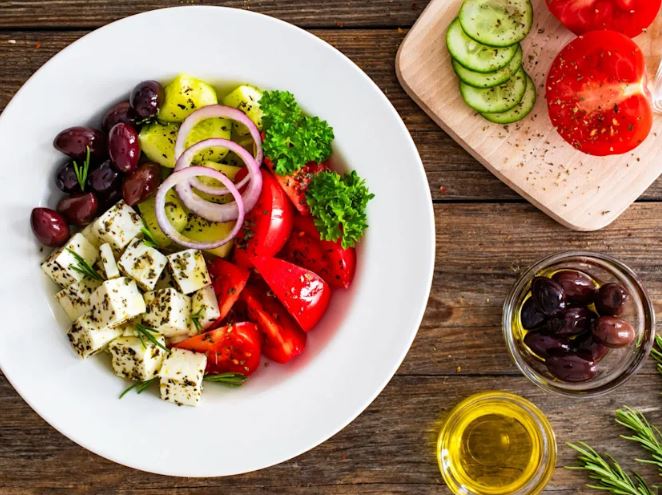
A new study suggests that eating unprocessed foods may activate a natural nutritional instinct.
Swapping ultra-processed foods for meals made entirely from unprocessed ingredients may change what you put on your plate in a surprisingly consistent way. Instead of gravitating toward the most calorie-dense items available, people tend to fill up on fruits and vegetables, which can make it easier to reduce daily calorie intake and potentially support weight loss.
That pattern emerged from a study led by scientists at the University of Bristol with contributions from leading US nutrition experts. When researchers compared two extremes, an all-unprocessed diet versus a diet made only of UPFs (ultra-processed food), they found something that sounds counterintuitive at first. The unprocessed group ate more food overall, by weight, consuming more than 50% greater amounts than the UPF group. Even so, the unprocessed eaters still took in about 330 fewer calories per day on average.
Rethinking How We Choose Food
Published in The American Journal of Clinical Nutrition, the results add to a growing debate about why modern diets so often lead to excess energy intake. The researchers point to the possibility of an inbuilt “nutritional intelligence” that nudges people toward a more balanced mix of nutrients when foods are closer to their natural form. In today’s fast food environment, that guidance may be harder to follow.
Lead author Jeff Brunstrom, Professor of Experimental Psychology at the University of Bristol, said: “It’s exciting to see when people are offered unprocessed options they intuitively select foods that balance enjoyment, nutrition, and a sense of fullness, while still reducing overall energy intake. Our dietary choices aren’t random – in fact we seem to make much smarter decisions than previously assumed, when foods are presented in their natural state.”
A Second Look at a Landmark Study
Rather than running a brand new trial, the team returned to data from a well-known clinical trial led by Dr. Kevin Hall of the US National Institutes of Health. That earlier work helped show how eating only ultra-processed foods can drive higher calorie consumption and weight gain. The Bristol reanalysis dug deeper into the day-to-day choices inside the unprocessed condition, revealing why calorie intake dropped even as the amount of food increased.
Across meals, participants eating only wholefoods repeatedly chose large portions of fruits and vegetables, sometimes several hundred grams in a single sitting. Those choices took the place of more calorie-rich options such as steak, pasta, and cream. By the end, the unprocessed group had eaten 57% more food by weight overall, while still maintaining a lower total calorie intake.
The researchers also assessed how nutritionally complete the diets were. They found that the volume and variety of fruits and vegetables delivered key vitamins and minerals that would have been missed if participants had relied mainly on higher calorie wholefoods available to them.
Study co-author Mark Schatzker, acclaimed author of The Dorrito Effect and The End of Craving, explained: “Had participants eaten only the calorie-rich foods, our findings showed they would have fallen short on several essential vitamins and minerals and eventually developed micronutrient insufficiencies. Those micronutrient gaps were filled by lower-calorie fruits and vegetables.”
The scientists reckon this reflects a form of nutritional intelligence, which they call “micronutrient deleveraging,” whereby humans prioritize micronutrient-rich foods – in other words, fruit and veggies – at the expense of energy-dense options.
How Ultra-Processed Foods Change the Equation
The ultra-processed foods told a very different story. Contrary to the common belief, they deliver “empty calories,” the findings demonstrated they likely met micronutrient requirements, often through vitamin fortification. For example, the foods richest in vitamin A were calorie-rich French toast sticks and pancakes. By contrast, on the unprocessed diet, the majority of vitamin A was obtained from carrots and spinach, which are much lower in calories.
Study co-author Dr. Annika Flynn, Senior Research Associate at the University of Bristol, said: “This raises the alarming possibility that UPFs deliver both high energy and micronutrients in one hit, which could result in calorie overload, because they effectively kill the beneficial trade-off between calories and micronutrients.”
“Conversely, this healthy competition is promoted by wholefoods and therefore encourages people eating them to favor micronutrient powerhouses, such as fruit and veggies, over high-energy options like pasta and meat.”
Implications for Modern Diets
The research provides further insight into the effects of highly processed food, which is increasingly prevalent in today’s society, on human behavior and decision-making.
Prof Brunstrom added: “Overeating is not necessarily the core problem. Indeed, our research clearly demonstrated consumers on a wholefood diet actually ate far more than those on a processed food one. But the nutritional make-up of food is influencing choices, and it seems that UPFs are nudging people towards higher calorie options, which even in much lower quantities are likely to result in excess energy intake and in turn fuel obesity.”
Recent research, also led by the University of Bristol, similarly showed that simply switching the order of healthier, more environmentally-friendly dishes on a weekly menu prompts more diners to select them.
Reality Of Islam |
|
Plants are

After spend

A study of

Researchers
 9:3:43
2018-11-05
9:3:43
2018-11-05
10 benefits of Marriage in Islam
7:5:22
2019-04-08
benefits of reciting surat yunus, hud &
9:45:7
2018-12-24
advantages & disadvantages of divorce
11:35:12
2018-06-10
6:0:51
2018-10-16
4:25:57
2023-02-11
2:13:43
2022-05-27
8:3:0
2018-06-21
9:42:16
2022-10-19
10:43:56
2022-06-22
11:34:48
2022-06-29
8:39:51
2022-09-23
5:41:46
2023-03-18
| LATEST |
 HOME
HOME