الوضع الليلي


 12:48:36
  2025-12-04
  2049
2049
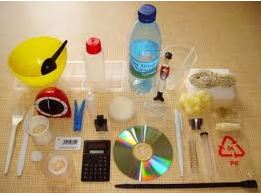
New research reveals that chemicals in common plastics may quietly trigger lifelong health problems. Exposure early in life has been linked to obesity, infertility, and even cognitive issues.
Scientists say small lifestyle changes can help, but lasting protection will require bold international action.
Rising Concerns About Plastic Exposure in Early Life
Childhood contact with chemicals used in everyday plastic products appears to carry significant health risks that can continue well into adulthood, according to experts from NYU Langone Health.
This conclusion comes from an extensive review of hundreds of recent studies published in The Lancet Child & Adolescent Health.
Evidence Linking Plastic Chemicals to Disease
In the new analysis, researchers summarize decades of work showing that additives commonly incorporated into industrial and household plastics may raise the likelihood of disease and disability, especially when exposure occurs early in life. The review highlights three major groups of chemicals — phthalates, which increase flexibility, bisphenols, which give plastics their rigidity, and perfluoroalkyl substances (PFAS), which make products heat resistant and water repellent.
Together, the evaluated studies followed thousands of pregnant people, fetuses, and children. The findings connect these chemicals to long-term health problems that include heart disease, obesity, infertility, and asthma.
“Our findings point to plastic’s role in the early origins of many chronic diseases that reverberate into adolescence and adulthood,” said study lead author and pediatrician Leonardo Trasande, MD, MPP. “If we want kids to stay healthy and live longer, then we need to get serious about limiting the use of these materials,” added Trasande, the Jim G. Hendrick, MD, Professor of Pediatrics at NYU Grossman School of Medicine.
How Everyday Products Release Harmful Chemicals
Trasande notes that these chemicals appear in a wide variety of consumer items, including food packaging, cosmetics, and even paper receipts. Research shows that when plastics are used repeatedly, heated, or exposed to certain treatments, they can shed microplastic fragments and nanoparticles that are later ingested.
Studies also indicate that chemicals found in plastic materials can stimulate an excessive immune response (inflammation) throughout the body and interfere with hormones that regulate essential biological functions. Scientists believe these substances may also influence how the brain develops, with many investigations linking early exposure to IQ reductions and conditions such as autism and attention deficit hyperactivity disorder.
Steps Families Can Take to Reduce Exposure
Beyond identifying risks, the Lancet review outlines strategies for decreasing plastic use and protecting public health.
“There are safe, simple steps that parents can take to limit their children’s plastic exposure without breaking the bank,” said Trasande, who serves as director of NYU Grossman School of Medicine’s Division of Environmental Pediatrics and NYU Langone Health’s Center for the Investigation of Environmental Hazards.
He says replacing plastic food containers with glass or stainless steel and avoiding microwaving or dishwashing plastic items can meaningfully lower exposure.
Trasande also emphasizes the role of pediatricians and other health providers in helping families make informed choices. He encourages clinicians to collaborate with schools and community groups to teach children and teens about the potential harms of plastic exposure.
Policy Solutions and Global Action
At the regulatory level, the authors advocate for stronger rules aimed at reducing nonessential plastic use, particularly in low-income communities that already experience significant health inequities.
The review follows the latest round of negotiations for the United Nations’ Global Plastics Treaty in Geneva. This developing agreement seeks to curb global plastic pollution, with more than 100 countries supporting legally binding limits on production.
Trasande says the review’s findings reinforce the need for a robust global treaty that protects environmental and human health. He points out that although the economic importance of the plastics industry is often cited as a barrier to new policies, the health-related financial burden from exposure is enormous, with his team estimating annual costs of about $250 billion in the United States.
The Role of Plastics in Medicine
The Global Plastics Treaty will be a key topic at NYU Langone Health’s 2025 Plastics, Human Health, and Solutions Symposium. Experts at the event will cover the latest research on microplastics, recent policy developments, and the importance of regulatory action in addressing this growing public health concern.
Although the review highlights risks linked to plastic use, the authors stress that the material remains essential in many medical settings. Plastics are used in devices such as ventilators and feeding tubes for premature infants, nebulizers for children with asthma, and masks designed to reduce the spread of infectious diseases. The researchers note that their findings do not question the value of plastic in health care but instead call attention to its avoidable use in everyday products.
Reality Of Islam |
|

Plants are

After spend

A study of

Researchers
 9:3:43
2018-11-05
9:3:43
2018-11-05
10 benefits of Marriage in Islam
7:5:22
2019-04-08
benefits of reciting surat yunus, hud &
9:45:7
2018-12-24
advantages & disadvantages of divorce
11:35:12
2018-06-10
6:0:51
2018-10-16
10:47:11
2022-11-22
11:34:48
2022-06-29
8:39:51
2022-09-23
8:30:23
2022-03-03
9:50:37
2023-02-28
8:4:21
2022-01-08
2:42:26
2023-02-02
5:41:46
2023-03-18
| LATEST |
 HOME
HOME