الوضع الليلي


 11:4:15
  2025-03-13
  1576
1576
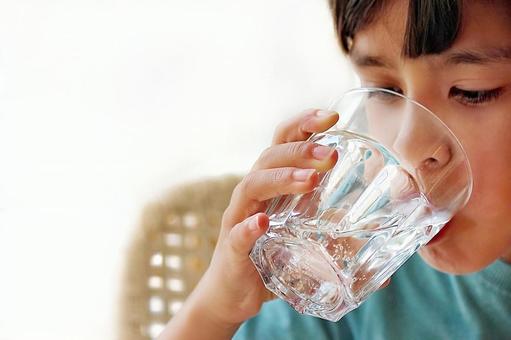
Fluoride is added to drinking water in many countries to prevent cavities, but new research suggests even low exposure may impact children’s cognitive abilities.
A study in Bangladesh tracked 500 mothers and their children, linking higher fluoride levels to reduced cognitive performance, particularly in verbal reasoning and sensory processing. While fluoride in toothpaste is generally safe, its presence in water may pose risks. Scientists stress the need for further research to reassess fluoride safety limits in drinking water and other sources.
Fluoride in Drinking Water: A Common but Controversial Practice
Fluoride naturally occurs in drinking water as fluoride ions, but its concentration is usually low in public water supplies. In some countries, including the United States, Canada, Chile, Australia, and Ireland, fluoride is intentionally added to municipal water at approximately 0.7 mg per liter to help prevent tooth decay.
“Given the concern about health risks, the addition of fluoride to drinking water is controversial and has been widely debated in the USA and Canada,” says Maria Kippler, associate professor at the Institute of Environmental Medicine, Karolinska Institutet. “Our results support the hypothesis that even relatively low concentrations of fluoride can impact children’s early development.”
Tracking Fluoride Exposure in Mothers and Children
To better understand fluoride’s impact on cognitive development, researchers studied 500 mothers and their children in rural Bangladesh, where naturally occurring fluoride is present in drinking water at levels similar to those found in other parts of the world.
Psychologists assessed the children’s cognitive abilities at ages five and ten using established tests. Fluoride exposure was determined by analyzing fluoride concentrations in urine samples from both mothers and children. These measurements provided insight into overall exposure from multiple sources, including drinking water, food, and dental products.
“I’d like to stress that dental care products such as toothpaste are not normally a significant source of exposure since they are not intended for ingestion,” says Dr. Kippler. “Fluoride in toothpaste is important for prevention of caries, but it’s important to encourage small children not to swallow the toothpaste during brushing.”
Higher Fluoride, Lower Cognitive Abilities
The median concentration of fluoride in urine of the pregnant Bangladeshi women was 0.63 mg/L. Increasing concentrations of fluoride in the pregnant women could be linked to decreasing cognitive abilities in their children at five and ten years of age.
Children that had more than 0.72 mg/L fluoride in their urine by the age of ten also had lower cognitive abilities than children with less fluoride in their urine, with most pronounced associations for verbal reasoning skills and the ability to interpret and process sensory input. The exposures that were associated with impaired cognitive development are lower than those obtained at the existing WHO and EU threshold for fluoride in drinking water, which is 1.5 mg/L.
The researchers found no statistically significant link between fluoride concentrations in the urine of the five-year-olds and their cognitive abilities.
“This may be due to the shorter exposure time,” Dr. Kippler speculates, “but also to the fact that urinary fluoride concentrations aren’t as reliable in younger children owing to greater variations in how much fluoride is taken up and stored in the body, particularly in the bones.”
The Need for More Research
Since it was an observational study, no firm conclusions can be drawn about causalities. It is therefore important to assess the overall results of several similar longitudinal studies, according to the researchers. They will now investigate the associations in other populations and establish experimental models to determine the possible molecular mechanisms driving it.
“There is a need for more research to create a robust basis for reviewing fluoride health risks and thresholds for drinking water, foods, and dental care products, especially for children,” she continues. “Even small changes in cognition at a population level can have serious public health consequences.”
Reality Of Islam |
|

Plants are

After spend

A study of

Researchers
 9:3:43
2018-11-05
9:3:43
2018-11-05
10 benefits of Marriage in Islam
7:5:22
2019-04-08
benefits of reciting surat yunus, hud &
9:45:7
2018-12-24
advantages & disadvantages of divorce
11:35:12
2018-06-10
6:0:51
2018-10-16
8:39:51
2022-09-23
8:19:41
2018-06-21
7:32:24
2022-02-14
al-hussain (peace be upon him)
10:18:1
2022-09-21
a hero waters thirsty wild animals
9:4:9
2022-01-06
the happy life of mankind requirement
6:36:36
2022-01-25
6:14:3
2023-01-18
5:41:46
2023-03-18
| LATEST |
 HOME
HOME