
الوضع الليلي


 11:52:22
  2025-02-20
  1811
1811
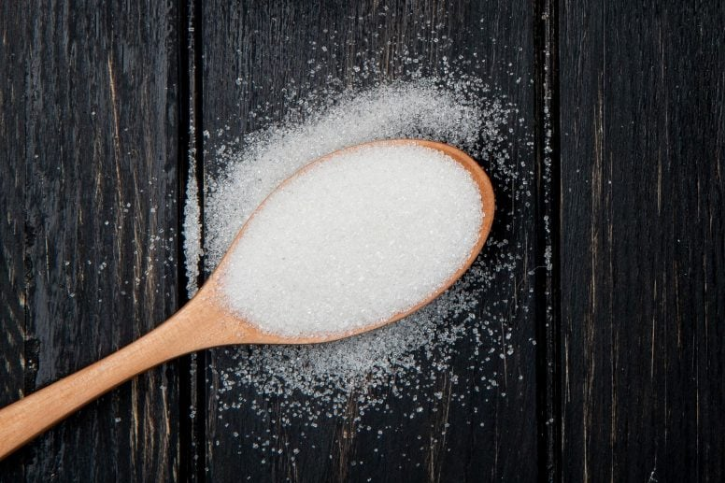
Artificial sweeteners are everywhere, marketed as a healthier alternative to sugar, but new research suggests they may not be so harmless.
A team of scientists discovered that aspartame, a common sugar substitute, triggers an insulin surge that contributes to arterial plaque buildup, inflammation, and potentially life-threatening cardiovascular issues.
The Hidden Impact of Artificial Sweeteners
Artificial sweeteners, found in everything from diet soda to zero-sugar ice cream, are often marketed as a guilt-free way to enjoy sweetness. However, new research set to be published today (February 19) in Cell Metabolism suggests that aspartame, one of the most widely used sugar substitutes, may have negative effects on vascular health.
A team of cardiovascular experts and clinicians discovered that aspartame increases insulin levels in animals, which in turn contributes to atherosclerosis — the buildup of fatty plaque in the arteries. Over time, this process can lead to increased inflammation and a higher risk of heart attacks and strokes.
The study was sparked by a casual observation during a project meeting. “One of my students was sipping on this sugar-free drink, and I said, ‘Why don’t you look into that?’” recalls senior author Yihai Cao, who studies chronic diseases related to blood vessel disorders at Karolinska Institute in Sweden.
While past research has associated artificial sweeteners with an increased risk of conditions like cardiovascular disease and diabetes, the biological mechanisms behind these effects were not well understood — until now.
Testing Aspartame’s Effects on Cardiovascular Health
For this study, the researchers fed mice daily doses of food containing 0.15% aspartame for 12 weeks—an amount that corresponds to consuming about three cans of diet soda each day for humans. Compared to mice without a sweetener-infused diet, aspartame-fed mice developed larger and more fatty plaques in their arteries and exhibited higher levels of inflammation, both of which are hallmarks of compromised cardiovascular health.
When the team analyzed the mice’s blood, they found a surge in insulin levels after aspartame entered their system. The team noted that this wasn’t a surprising result, given that our mouths, intestines, and other tissues are lined with sweetness-detecting receptors that help guide insulin release. But aspartame, 200 times sweeter than sugar, seemed to trick the receptors into releasing more insulin.
The Role of CX3CL1 in Arterial Inflammation
The researchers then demonstrated that the mice’s elevated insulin levels fueled the growth of fatty plaques in the mice’s arteries, suggesting that insulin may be the key link between aspartame and cardiovascular health. Next, they investigated how exactly elevated insulin levels lead to arterial plaque buildup and identified an immune signal called CX3CL1 that is especially active under insulin stimulation.
“Because blood flow through the artery is strong and robust, most chemicals would be quickly washed away as the heart pumps,” says Cao. “Surprisingly, not CX3CL1. It stays glued to the surface of the inner lining of blood vessels. There, it acts like a bait, catching immune cells as they pass by.”
Blocking CX3CL1 to Prevent Harmful Effects
Many of these trapped immune cells are known to stoke blood vessel inflammation. However, when researchers eliminated CX3CL1 receptors from one of the immune cells in aspartame-fed mice, the harmful plaque buildup didn’t occur. These results point to CX3CL1’s role in aspartame’s effects on the arteries, says Cao.
Looking ahead, Cao and his team plan to verify their findings in humans. Cao also foresees CX3CL1 as a potential target for chronic conditions beyond cardiovascular disease, given that blood vessel inflammation is involved in stroke, arthritis, and diabetes.
“Artificial sweeteners have penetrated almost all kinds of food, so we have to know the long-term health impact,” says Cao.
Reality Of Islam |
|

Plants are

After spend

A study of

Researchers
 9:3:43
2018-11-05
9:3:43
2018-11-05
10 benefits of Marriage in Islam
7:5:22
2019-04-08
benefits of reciting surat yunus, hud &
9:45:7
2018-12-24
advantages & disadvantages of divorce
11:35:12
2018-06-10
6:0:51
2018-10-16
2:33:4
2023-02-15
8:3:0
2018-06-21
4:2:19
2022-10-10
9:42:16
2022-10-19
3:42:22
2021-12-24
6:0:8
2023-03-19
bahlool & the throne of haroun rashid
8:20:35
2018-06-21
5:41:46
2023-03-18
| LATEST |
 HOME
HOME






















