الوضع الليلي


 2:26:34
  2024-12-16
  1731
1731
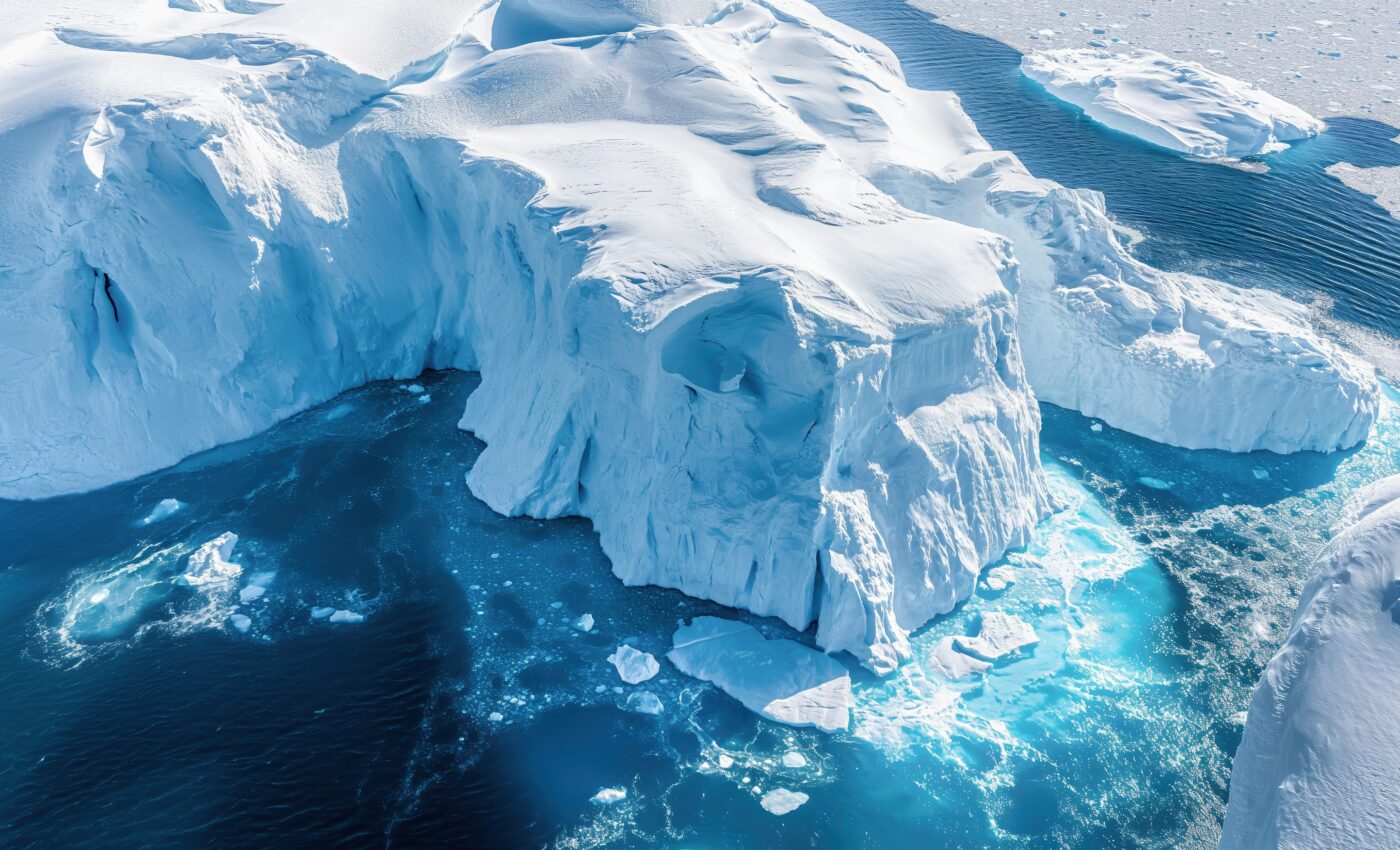
The losses could also have profound impacts on people who depend on glaciers for water.
Aguayo notes that the percentages of ice volume lost don't necessarily translate into how much water supply could be reduced by.
"It could be worse," he says, noting that meltwater could be significantly reduced during dry periods in certain catchments where communities rely on them for drinking water.
People not living near glaciers could also be affected through sea level rise.
The world’s glaciers hold about a foot of sea level rise and have already raised sea levels by around half-an-inch during the past 20 years.
"It doesn't seem like much," says glaciologist Catherine Walker at the Woods Hole Oceanographic Institution, who wasn’t involved in the study.
But she adds: “If you start thinking about the physical realities at a place with a 10-foot-plus storm-surge, I think you would rather not have a foot more coming in from all these glaciers melting.”
The team's results are similar to predictions from a glacier model that researchers used last year. The previous model was also tuned using the same glacier-specific data under the most recent climate scenarios.
“We now have more confidence in the numbers we can provide to policymakers,” says Zekollari.
Another advantage of the new models is their ability to make predictions at a variety of scales.
“The fact that they could model both the global scale and tell what will happen to individual glaciers is amazing,” says Walker.
Warming continues after 2100
Zekollari says that even though the study focused on predicting up to the end of the century, glaciers can take much longer to fully respond.
“It’s clear that on a longer-term, we’ll be losing way more,” he says.
Ultee points out that fjords in Greenland already show hundreds of feet of recent ice loss. “It’s really striking to see,” she adds.
And, elsewhere, glacial ice has disappeared, leaving behind desolate scenes of rocky debris.
For glaciers, which have otherwise managed to persist for thousands of years through a delicate balance of gain and loss, the changes are also extraordinary.
“Glaciers are not a permanent feature of the landscape,” says Ultee. “They can change really fast over human timescales and we can see it happening.
Reality Of Islam |
|
Plants are
After spend

A study of

Researchers
 9:3:43
2018-11-05
9:3:43
2018-11-05
10 benefits of Marriage in Islam
7:5:22
2019-04-08
benefits of reciting surat yunus, hud &
9:45:7
2018-12-24
advantages & disadvantages of divorce
11:35:12
2018-06-10
6:0:51
2018-10-16
8:30:23
2022-03-03
10:55:53
2022-06-13
7:45:39
2018-06-21
6:14:3
2023-01-18
9:39:36
2022-12-28
2:5:14
2023-01-28
3:18:29
2022-12-24
5:41:46
2023-03-18
| LATEST |
 HOME
HOME