الوضع الليلي


 9:21:25
  2019-02-25
  1888
1888
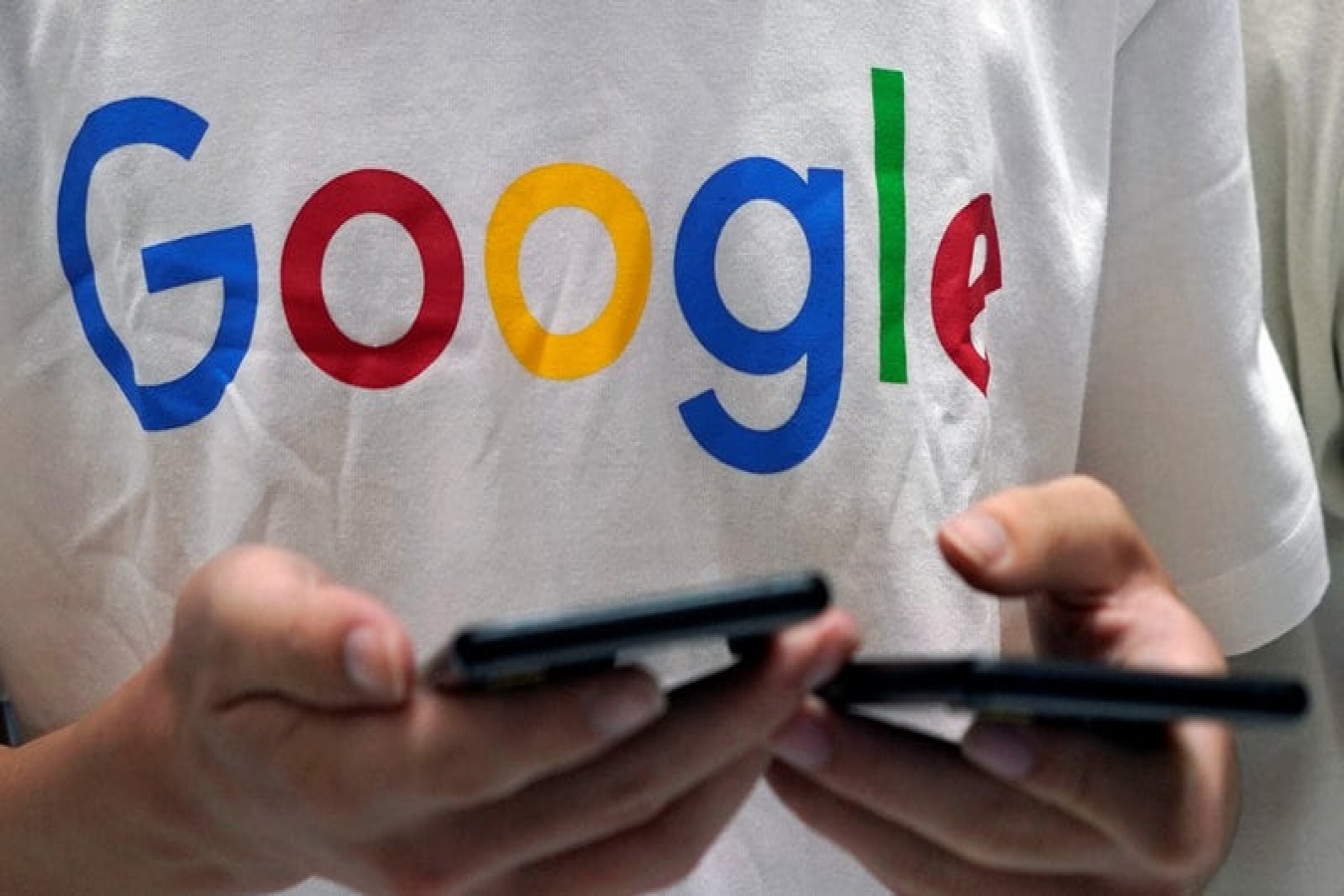
Thanks to a combination of Google, WebMD and the $6,000 (roughly Rs. 4.2 lakhs) deductible on my health insurance, I haven't been to a doctor to talk about an illness in years. Millions of Americans have similar habits; in fact, one in 20 Google searches are for health-related information. "Dr. Google" may not have an MD or a board certification, but it does have the clinical knowledge of a primary care provider who sees millions of patients a year.
With so much interest, it might be surprising how tentatively tech-driven efforts have entered the $3.5 trillion (roughly Rs. 24.7 lakh crores) health care industry. After three years, IBM's AI-driven Watson for Oncology not only had not delivered new insights on cancer treatments, but also in some instances even recommended unsafe and incorrect treatments. In fairness to Dr. Watson, it was working with the same scant medical records that limit human physicians. Artificial intelligence predictive capacity comes not from superior processing power itself, but from using that processing power to discover signals in vast quantities of data.
Insights often arise in unexpected places. Some years ago, Target attracted attention for identifying a teenager's pregnancy before the girl had informed her father. Turns out you can learn a lot from a person's shopping history. A customer doesn't need to do anything as obvious as buying diapers or maternity clothes; the store can make diagnoses based on subtle changes in shopping habits. Things like unscented lotions, vitamins and flu medicine all serve as leading indicators of an expectant mother. And a person's shopping history is just one of millions of data points collected by ad platforms.
Ad networks like Google and Facebook track users all over the Internet with cookies and device identifiers. They also work with data brokers like Oracle's Datalogix, Acxiom and Experian, which aggregate personal data from public and private sources and sell access to their partners. These online databases assemble information collected from store loyalty cards, public voting records, and salary and pay stubs to form a comprehensive profile of every individual.
As a result, tech companies know things that we would never admit to a doctor. Amazon knows that I once treated a respiratory infection with fish amoxicillin (not that I'm recommending doing so); that I spray my yard with Roundup; and - thanks to the company's acquisition of Whole Foods - that I consume a lot of red meat. Google has a history of every symptom I've ever typed into a search bar and everywhere I've ever been, and can successfully detect flu epidemics based on search queries. This data could help Google to give better diagnoses: If I enter a list of early symptoms of Ebola on the WebMD Symptom Checker, it tells me I might have the stomach flu, but Google would have tracked me on a jungle trek in the Democratic Republic of the Congo and could predict that I require something more than a bottle of Pepto-Bismol.
Tech companies that are accustomed to "moving fast and breaking things" tend not to do well in a heavily regulated industry like health care. Pharmaceutical advertising is a multibillion-dollar business, but digital ad networks have largely avoided it because of FDA concerns. Even a mobile app can be subject to regulatory oversight if the FDA considers it a medical device. It's one reason that search engines play down their role in consumer health care.
IBM hastens to say that Watson is no substitute for oncologists, and Google is careful to point out that search results are not intended as medical advice. But the technology and the users have moved ahead. Dr. Google is increasingly taking on the role of primary care providers.
© 2019 Bloomberg LP
Reality Of Islam |
|

A study of

Researchers

MIT enginee
 9:3:43
2018-11-05
9:3:43
2018-11-05
10 benefits of Marriage in Islam
7:5:22
2019-04-08
benefits of reciting surat yunus, hud &
9:45:7
2018-12-24
advantages & disadvantages of divorce
11:35:12
2018-06-10
6:0:51
2018-10-16
8:30:23
2022-03-03
8:25:12
2022-03-09
7:6:7
2022-03-21
2:13:43
2022-05-27
10:47:11
2022-11-22
10:43:56
2022-06-22
7:26:19
2022-04-08
5:41:46
2023-03-18
| LATEST |
 HOME
HOME