الوضع الليلي


 8:14:57
  2019-02-21
  2056
2056
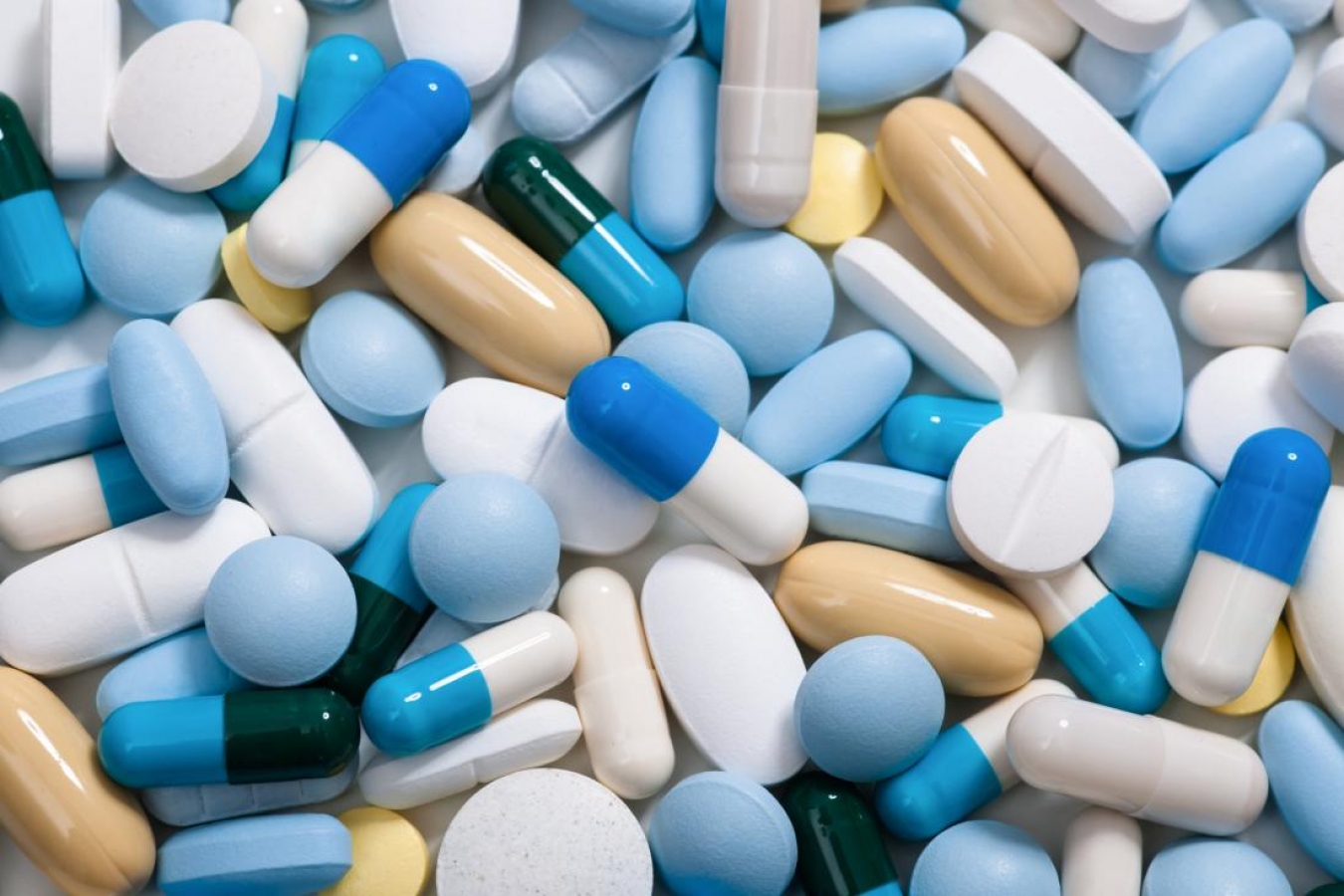
Bacteria that are immune to the action of antibiotics have become a primary concern for medical research communities across the world. A new study investigates what makes these "superbugs" resilient in the face of some of the most potent drugs.
Only recently, on Medical News Today, we presented a study highlighting the ever-growing crisis of superbugs spreading at an unexpectedly fast pace all over the world.
The authors of that study issue the grim warning that if bacteria continue to "armor" themselves so effectively and at such speed, antibiotics may soon become altogether ineffective against them.
That is why it is of utmost importance to understand how, exactly, these microorganisms can fend off the drugs that were previously able to work against them. This knowledge will be the first step in coming up with stronger treatments to fight stubborn bacterial infections.
In a new study, a team of physicists from McMaster University in Hamilton, Canada, has now determined what allows bacteria to repel antibiotics once they become resistant.
Although the mechanism is simple, this is the first time that researchers have investigated and been able to pinpoint it, thanks to highly sensitive technology.
Lead study author Prof. Maikel Rheinstädter and colleagues report their findings in a study paper that the journal Nature Communications Biology has published today. The researchers believe that their discovery could help scientists design more effective drugs to treat infections.
"There are many, many bacteria out there, and so many antibiotics, but by proposing a basic model that applies to many of them, we can have a much better understanding on how to tackle and predict resistance better," notes Prof. Rheinstädter.
A need to understand micromechanisms
To understand how stubborn bacteria are able to keep potent antibiotics at bay, the researchers studied in detail the mechanism that allows one of these drugs to penetrate the bacterial membrane and do its work.
For this study, the researchers turned to polymyxin B, an antibiotic that doctors use in the treatment of meningitis and infections of the urinary tract, eyes, and blood.
The researchers explain that they chose this specific drug because it used to be the only antibiotic that would work against bacteria that were otherwise resistant to drugs. However, a few years ago, a team of specialists from China found that one bacterial gene could make these microorganisms immune to polymyxins.
"We wanted to find out how this bacteria, specifically, was stopping this drug in this particular case," says first author Adree Khondker, adding, "If we can understand that, we can design better antibiotics."
The researchers used specialized, sensitive tools that made it possible to analyze the bacterial membrane. These tools rendered extremely high-resolution images that captured even individual molecules with dimensions of about one-millionth of the width of a single strand of hair.
"If you take the bacterial cell and add this drug, holes will form in the wall, acting like a hole-puncher, and killing the cell," Khondker notes. "But, there was much debate on how these holes were formed in the first place."
What happens to resistant bacteria?
The mechanism by which the antibiotic penetrates the bacterial membrane works as follows: the bacterium, which has a negative charge, automatically "pulls in" the drug, which has a positive charge.
However, when this takes place, the bacterial membrane acts as a barrier against the antibiotic, aiming to prevent it from reaching the bacterium's interior. Under normal circumstances, this is ineffective because the membrane is thin enough for the antibiotic to "punch holes" in it.
However, in the case of a drug-resistant bacterium, the researchers' state-of-the-art technology revealed that the membrane becomes more rigid and much harder to penetrate. Moreover, the bacterium's negative charge becomes weaker, meaning that it is more difficult for the antibiotic to locate and "stick" to it.
As Khondker describes it, "For the drug, it's like going from cutting Jello to cutting through rock."
This is the first time that a research team has been able to pinpoint these changes with certainty, the investigators emphasize.
"There has been a lot of speculation about this mechanism. But, for the first time, we can prove the membrane is more rigid, and the process is slowed."Prof. Maikel Rheinstädter
Reality Of Islam |
|
Plants are

After spend
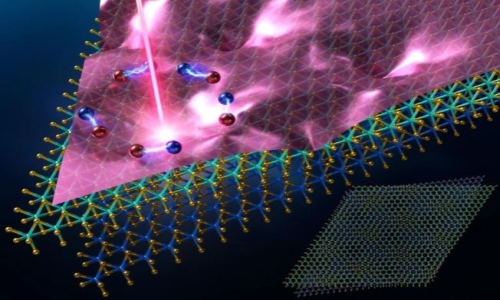
A study of

Researchers
 9:3:43
2018-11-05
9:3:43
2018-11-05
10 benefits of Marriage in Islam
7:5:22
2019-04-08
benefits of reciting surat yunus, hud &
9:45:7
2018-12-24
advantages & disadvantages of divorce
11:35:12
2018-06-10
6:0:51
2018-10-16
8:4:21
2022-01-08
10:55:53
2022-06-13
8:25:12
2022-03-09
2:5:14
2023-01-28
11:11:59
2023-02-01
12:10:56
2022-11-17
5:58:12
2021-12-18
5:41:46
2023-03-18
| LATEST |
 HOME
HOME