الوضع الليلي


 11:55:44
  2026-08-23
  1440
1440
Dr. Abbas Mahmoud Makki,
a graduate and holder of a State Doctorate in Clinical and Abnormal Psychology from the Sorbonne University, Paris, France. University professor, behavioral and administrative training expert, and specialist in psychological, psychotherapy, and family counseling.
First: Manifestations of Neglect
1. Material Neglect
2. Emotional Neglect
3. Field Observations
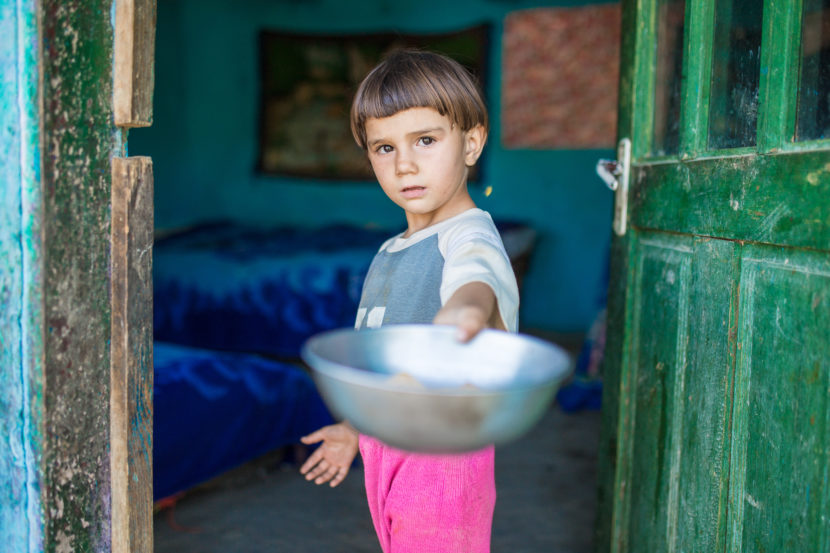
Some statistics indicate that both material and emotional neglect often affect poorer groups, while emotional neglect tends to be the predominant characteristic among affluent families. Material prosperity may cause parents to neglect the emotional attention required by their children, as though money automatically facilitates everything—reflecting a kind of “robotic civilization.”
On the other hand, material hardship or poverty may practically and situationally hinder parents' ability to provide emotional compensation for material neglect. Relationships between poor parents and their children are often characterized by aggression and tension, as a result of patterns of behavior involving the release of frustration, compensation, and taking revenge on the other person who accompanies us in our daily lives.
4. The Overlap and Distinction Between Neglect (la négligence) and Abandonment (l'abandon)
It is important to recognize both the overlap and the distinction between neglect (la négligence) and abandonment (l'abandon).
Neglect is primarily a material behavior and refers to a failure to fulfill one's responsibilities or duties.
Abandonment, on the other hand, is an attitude or position that is supported by behavior that gives it meaning. Sometimes abandonment may exist only as a feeling and may not actually be true or real. Neglect, however, is an observable behavior that is clear and indisputable.
The feeling of abandonment can become a deep foundation for developing a depressive or needy psychological state. In both cases, we are dealing with an unhealthy psychological situation.
This is the major challenge faced by the neglected child when he or she moves from neglect to a feeling of abandonment, particularly when the boundaries become blurred between actual psychological injustice and a deeply felt or imagined sense of victimization.
Second: Effects of Neglect
1. Material Effects
2. Emotional Effects
Third: Why Does Neglect Occur?
Neglect is not necessarily a deliberate decision. Rather, it is a daily behavioral reality shaped by the general attitudes of parents on the one hand and the family and social environment on the other.
A. Chaotic Environment
The disorder of the surrounding environment and its inability to accommodate the needs of individuals.
B. Absence of Institutions
The absence of institutions concerned with children, or the ineffectiveness of the educational and preparatory philosophies adopted by such institutions.
C. Absence of Parents
Parents may be absent because of death, abduction, negligence, or failure to assume responsibility.
D. Lack of Family Planning
The absence of proper planning for the family.
E. Financial Hardship
Limited financial resources, poverty, and the inability to provide children's basic necessities.
F. Conflict Between Parents' Desires and the Child's Needs
The desires, impulses, and narcissistic tendencies of parents may take precedence over the child's wishes and basic needs.
Parents may consider their own evening gatherings more important than attending to the child's needs, such as training, feeding, or helping the child sleep through storytelling and conversation.
G. Lack of Awareness
A lack of awareness that having children means making a decision to raise and build individuals who will become members of society, rather than merely responding to a temporary impulse.
The child may consequently be treated as though he or she can simply be “cancelled” retroactively.
H. Confusion Between Age Groups
The boundaries between different age groups become blurred. The child is not allowed to live according to his or her own age, while parents attempt to live their own lives through their children.
The result is a society dominated by feelings of grievance, neglect, and abandonment, creating strained relationships between generations.
Fourth: Treatment
1. Prevention First
The first step is to address the causes mentioned above. This can only be achieved through family planning concerning having children, not by limiting the number of children, but by adopting an effective and constructive reproductive and educational policy.
Such an approach can protect children from neglect, and consequently from feelings of abandonment, while helping society avoid aggression and conflict between social classes and generations.
2. Awareness of the Reality of Neglect
There must be awareness of both material and emotional neglect. This requires identifying and diagnosing the forms of neglect through the joint involvement of society, parents, and children.
3. Timely Compensation
Where possible, the effects of neglect should be addressed and compensated for at the appropriate time and without delay. This prevents feelings of resentment, compensation, and retaliation from becoming more deeply rooted—especially when the person being held accountable is not actually responsible for the neglect.
4. Establishing and Developing Institutions
Institutions should be established and developed to address both the material and emotional manifestations of neglect.
Awareness alone is not enough; the actual circumstances and problems must also be addressed.
Fifth: Conclusion
In all circumstances, neglect must be addressed whenever it occurs. Addressing it requires dealing with all the aspects mentioned above in order for treatment to be effective.
Reality Of Islam |
|

After spend

A study of

Researchers
 9:3:43
2018-11-05
9:3:43
2018-11-05
10 benefits of Marriage in Islam
7:5:22
2019-04-08
benefits of reciting surat yunus, hud &
9:45:7
2018-12-24
advantages & disadvantages of divorce
11:35:12
2018-06-10
6:0:51
2018-10-16
2:13:43
2022-05-27
10:35:40
2022-05-26
12:10:56
2022-11-17
4:25:57
2023-02-11
6:14:17
2018-06-21
7:32:24
2022-02-14
8:4:21
2022-01-08
5:41:46
2023-03-18
| LATEST |
 HOME
HOME