الوضع الليلي


 8:43:39
  2018-11-15
  1861
1861
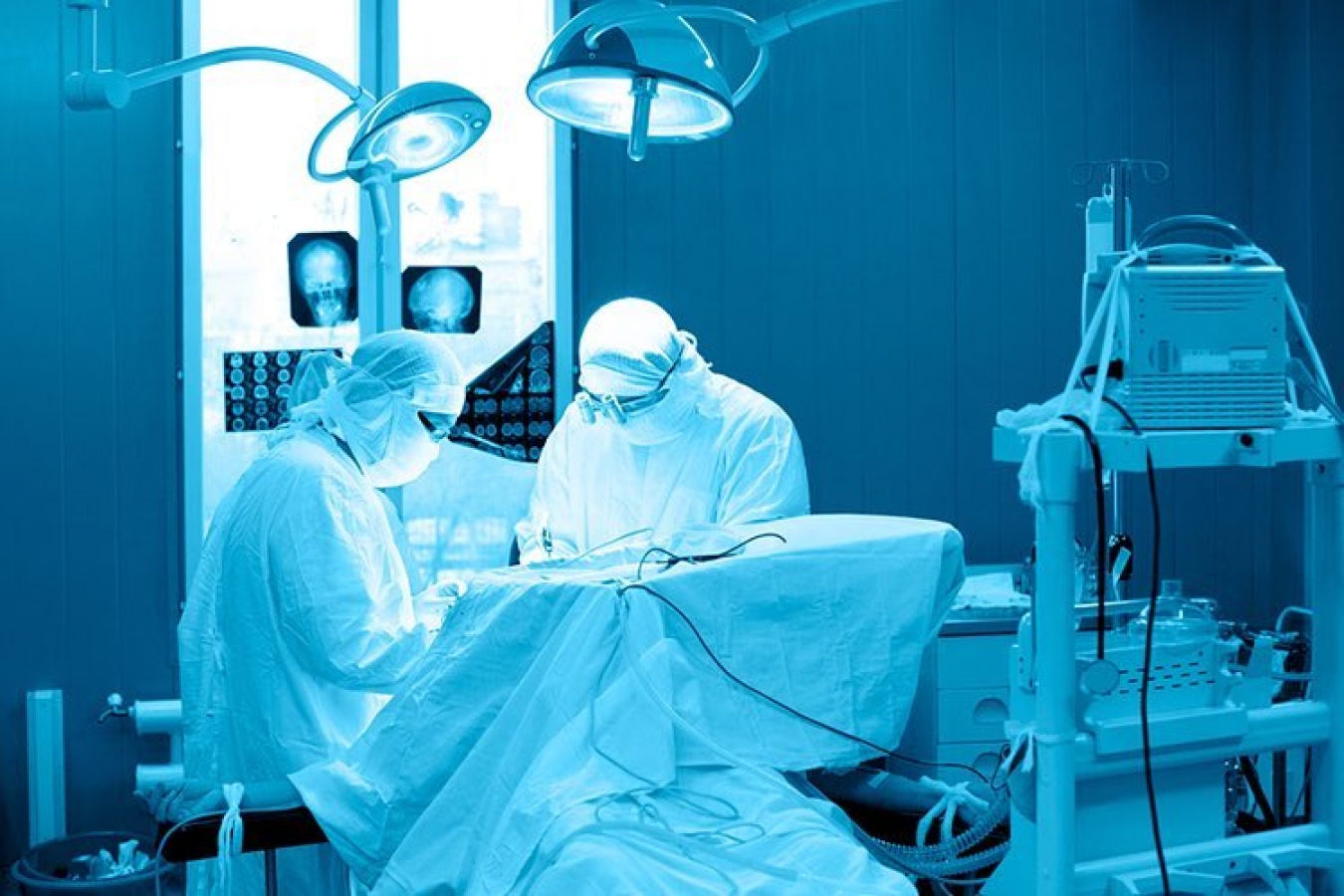
A new experimental therapy for Parkinson's disease that involves injecting millions of special stem cells into the brain of patients with the condition is currently being tested in a clinical trial.
The study, which began in October, is conducted by researchers at Kyoto University in Japan. So far, researchers have started to treat one man in his 50s, according to AFP.
Although previous studies have tested stem cell therapies for Parkinson's, the new study is the first to use so-called induced pluripotent stem cells, or iPSCs. These are "adult" cells (like blood or skin cells, as opposed to embryonic cells) that have been reprogrammed so that they resemble cells in early development, and they have the potential to form any cell type in the body.
For the study, the researchers used iPSCs to create "dopaminergic progenitor" cells, or the cells that give rise to brain cells that produce dopamine, a brain chemical that is needed to control muscle movement. In Parkinson's disease patients, the brain cells that produce dopamine die off, leading to symptoms such as tremors and difficulty with walking, movement and coordination. [10 Things You Didn't Know About the Brain]
In the new trial, the researchers hope to show that these transplanted stem cells will help replace the lost dopamine-producing cells and restore dopamine production, according to The Michael J. Fox Foundation.
For the treatment, the researchers injected 2.4 million stem cells into the left side of the man's brain, in an operation that took 3 hours, according to AFP. The patient will now be monitored for side effects, and if no problems occur, the researchers will inject another 2.4 million stem cells into the right side of his brain.
The researchers plan to enroll a total of seven patients in the trial and to track the patients for two years.
The iPSCs were derived from donors, so the patients will need to take drugs to suppress their immune system to prevent rejection of the transplanted cells, according to Kyoto University.
By Rachael Rettner, Live Science
Reality Of Islam |
|
Plants are

After spend
A study of

Researchers
 9:3:43
2018-11-05
9:3:43
2018-11-05
10 benefits of Marriage in Islam
7:5:22
2019-04-08
benefits of reciting surat yunus, hud &
9:45:7
2018-12-24
advantages & disadvantages of divorce
11:35:12
2018-06-10
6:0:51
2018-10-16
8:19:41
2018-06-21
10:43:56
2022-06-22
12:47:1
2022-12-20
1:34:8
2022-02-01
8:4:21
2022-01-08
6:14:3
2023-01-18
5:57:34
2023-03-18
5:41:46
2023-03-18
| LATEST |
 HOME
HOME