
الوضع الليلي


 7:1:58
  2019-09-08
  1789
1789
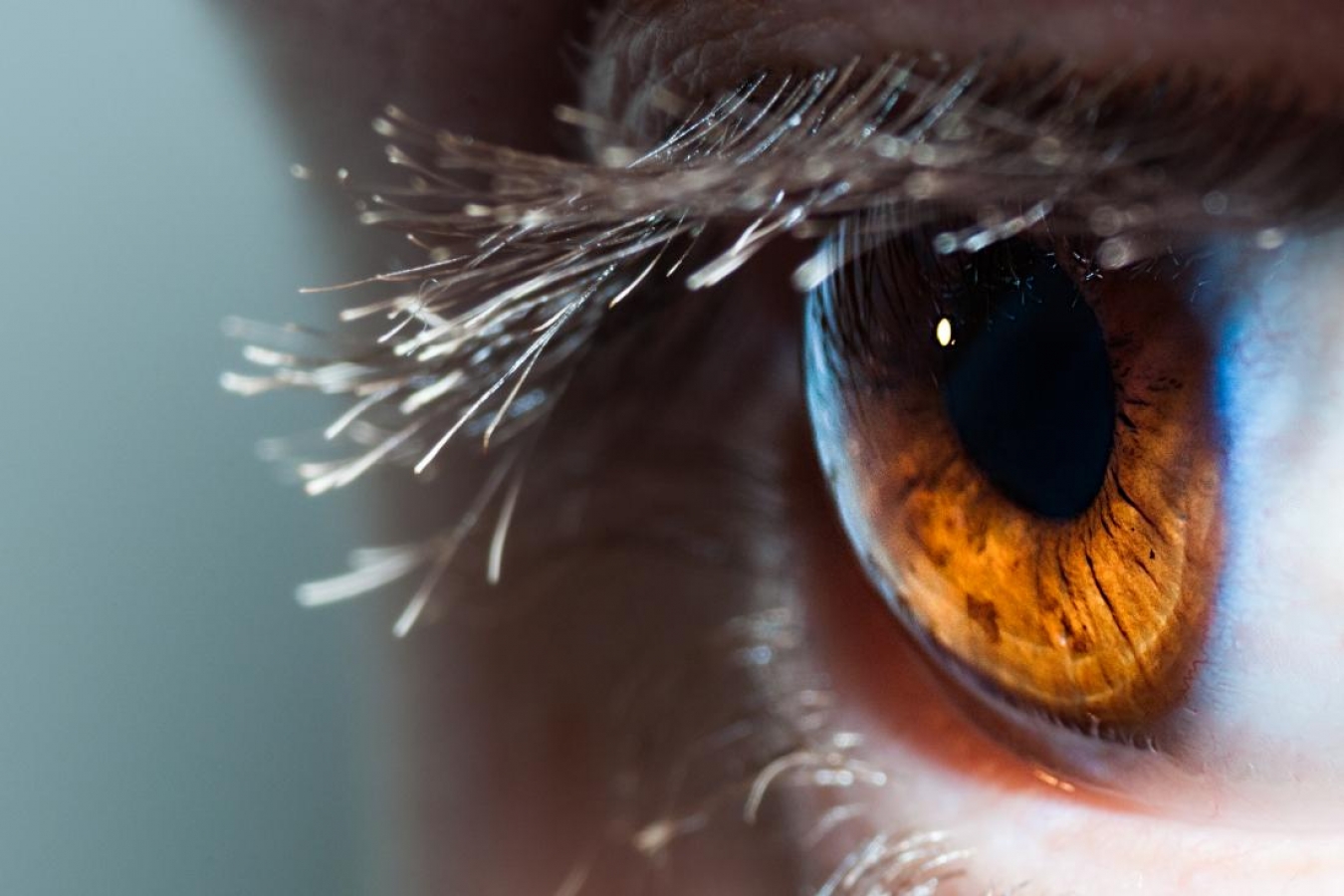
Scientists in Japan have, for the first time, treated a damaged cornea using induced pluripotent stem cells. According to the surgeon, the person's vision has improved since the procedure.
Scientists create induced pluripotent stem (iPS) cells by reprogramming adult cells.
This process converts the cells into embryonic-like cells, which means that they can develop into any other type of human cell, including nerve, pancreatic, liver, and corneal cells.
Although iPS cells have great potential to treat a range of conditions, they have been slow to make it from the laboratory to the clinic.
In carrying out a new groundbreaking procedure, ophthalmologist Kohji Nishida from Osaka University in Japan has taken the next step.
Corneal repair
The cornea is the transparent front section of the eye, which covers the iris and pupil. Stem cells in the cornea ensure that it becomes refreshed and repaired when necessary, keeping it clear so that light can enter.
However, if these stem cells sustain damage due to disease or injury, maintenance of the cornea is no longer possible, and this can lead to corneal blindness.
Individuals with damaged corneas must wait for donor tissue to become available, and — as with any organ transplant — this can be a lengthy process.
The person who underwent the recent surgery has a genetic condition that affects the stem cells of the cornea. Her vision was blurry, and she would eventually have lost her sight.
The researchers implanted thin sheets of iPS cells into the patient's eye, hoping that they would take root and fill in the gaps that her missing corneal stem cells had left.
The importance of iPS cells
Japan are the front-runners in iPS technology. In 2006, Shinya Yamanaka first presented his research on these experimental cells.
Although stem cells had caused excitement in medical circles, iPS cells appeared to promise more. Scientists could not unshackle stem cells from the ethical concerns of using fetal tissue, but they derive iPS cells from adult skin cells, sidestepping this issue entirely.
Additionally, because scientists derive iPS cells from the patient's own tissue, there should be no issue with transplant rejection. Preventing the rejection of embryonic stem cells has proven to be a significant challenge.
In 2012, Yamanaka shared the Nobel Prize in Physiology or Medicine for his part in the discovery and advancement of iPS cells.
In Japan, researchers have already tested iPS cells against a number of conditions in clinical trials, including spinal cord injuries and Parkinson's disease. In October 2018, a neurosurgeon implanted 2.4 million cells into the brain of a patient with Parkinson's disease.
More procedures to come
Following successful research in an animal model, the Japanese health ministry gave Nishida permission to carry out the corneal repair procedure in four people.
So far, the first treatment appears to be a success. According to Nishida, the person's cornea is still clear, and their vision has improved in the month since the operation.
Nishida plans to carry out the second procedure later this year, and he is hopeful that the surgery will be available to more people within 5 years.
The authors of a recent global survey of corneal transplantation concluded that there is "only one cornea available for 70 needed." Hopefully, this groundbreaking technology will, eventually, go some way toward closing that gap.
Reality Of Islam |
|

Plants are

After spend

A study of

Researchers
 9:3:43
2018-11-05
9:3:43
2018-11-05
10 benefits of Marriage in Islam
7:5:22
2019-04-08
benefits of reciting surat yunus, hud &
9:45:7
2018-12-24
advantages & disadvantages of divorce
11:35:12
2018-06-10
6:0:51
2018-10-16
bahlool & the throne of haroun rashid
8:20:35
2018-06-21
2:13:43
2022-05-27
6:14:3
2023-01-18
6:0:8
2023-03-19
7:45:39
2018-06-21
7:6:7
2022-03-21
5:58:12
2021-12-18
5:41:46
2023-03-18
| LATEST |
 HOME
HOME






















