
الوضع الليلي


 6:45:29
  2019-07-18
  1698
1698
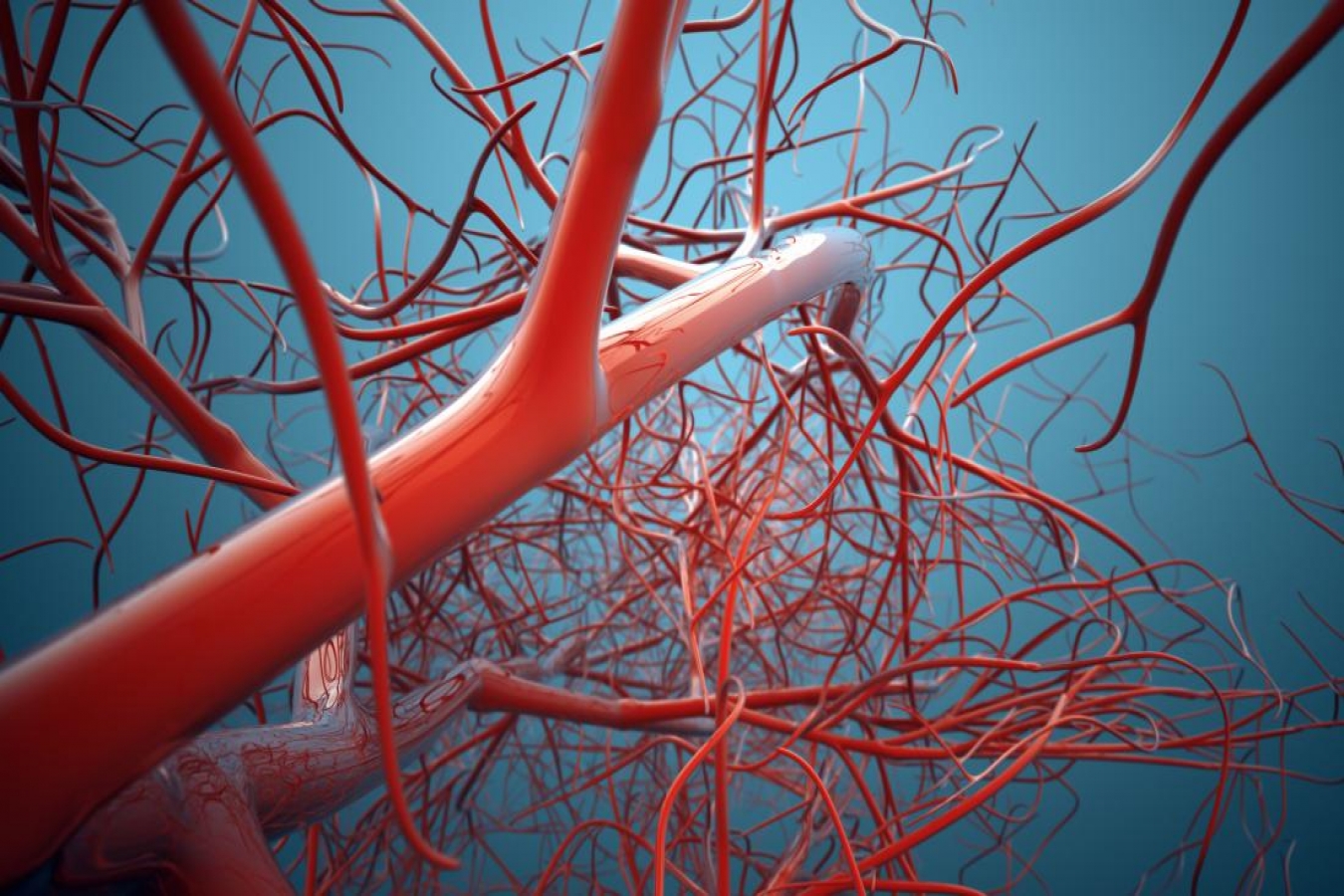
Having higher natural levels of iron could be both good and bad for cardiovascular health, according to new research. On one hand, it may lower the risk of clogged arteries, but on the other hand, it may raise the risk of blood clots related to reduced flow.
These were the conclusions of a large study that examined the relationship between people's natural iron levels and three measures of cardiovascular disease: carotid artery wall thickness, deep vein thrombosis (DVT), and carotid artery plaque.
Thickening of the vessel wall and the buildup of plaque in the carotid artery are both signs of atherosclerosis.
DVT occurs when a blood clot, or thrombus, forms in a deep vein. DVT typically affects the leg.
The researchers found that having higher levels of iron appears to raise the risk of DVT yet reduce the risk of carotid plaque. There was "no significant effect" on carotid artery wall thickness.
They report their findings in a recent Journal of the American Heart Association study paper.
"These results," write the authors, "are consistent with previous studies that suggest higher iron status has a protective role in atherosclerosis but increases the risk of thrombosis related to stasis of blood."
Genetic markers of iron status
The study is one of a series that scientists from Imperial College London in the United Kingdom are leading. In these studies, international teams are using genetic data from 500,000 people to explore links between iron levels and more than 900 conditions.
The researchers are using a tool called Mendelian randomization (MR) to investigate links between people's natural iron levels and disease risk.
The authors of the new study suggest that a strength of MR analysis is that it can overcome some of the problems that observational studies face with potential confounders. These can cloud the analysis of likely causes of the observed effects.
"Indeed," they note, "biomarkers of iron status are implicated in other pathologies, including inflammation, liver disease, renal failure, and malignancy, all of which could affect observational associations with thrombotic disease."
By searching DNA data on nearly 49,000 people of European descent, they found genetic markers that correlate with higher natural levels of iron.
The researchers then used the DNA iron level markers to screen other datasets of tens of thousands of people to find links to carotid artery wall thickness, DVT, and carotid artery plaque.
'Contrasting role' of iron status
Atherosclerosis is a major worldwide cause of conditions that affect blood vessels. It can give rise to heart disease, stroke, and peripheral artery disease.
The process of atherosclerosis begins when cholesterol and other fatty materials deposit in artery walls and develop into atheromas. These can eventually rupture and lead to a local clot.
The clot can partially or completely restrict blood flow and cause a stroke or heart attack, depending on which artery it affects.
The researchers suggest that their findings provide evidence of a "contrasting role" of higher natural iron levels on "different thrombotic disease processes."
Speculating on the implications of these findings, lead and corresponding author Dr. Dipender Gill — of the School of Public Health at Imperial College London — suggests that they open new avenues for further studies.
These could address many unanswered questions, such as how iron affects cholesterol, influences the formation of blood clots, and promotes artery narrowing.
The new study, like others in the series, only investigated people's natural levels of iron using their genetic markers. It did not investigate the effect of taking iron supplements.
Dr. Gill also says that people should speak to their doctor before they start to take or stop taking iron supplements.
"Iron is a crucial mineral in the body and is essential for carrying oxygen around the body," he explains.
"However, getting the right amount of iron in the body is a fine balance — too little can lead to anemia, but too much can lead to a range of problems including liver damage." Dr. Dipender Gill
Reality Of Islam |
|

Plants are

After spend

A study of

Researchers
 9:3:43
2018-11-05
9:3:43
2018-11-05
10 benefits of Marriage in Islam
7:5:22
2019-04-08
benefits of reciting surat yunus, hud &
9:45:7
2018-12-24
advantages & disadvantages of divorce
11:35:12
2018-06-10
6:0:51
2018-10-16
12:10:56
2022-11-17
7:59:14
2018-06-21
3:43:50
2022-11-05
8:30:23
2022-03-03
4:2:19
2022-10-10
7:32:24
2022-02-14
9:42:16
2022-10-19
5:41:46
2023-03-18
| LATEST |
 HOME
HOME






















