
الوضع الليلي


 5:45:50
  2019-06-22
  2290
2290
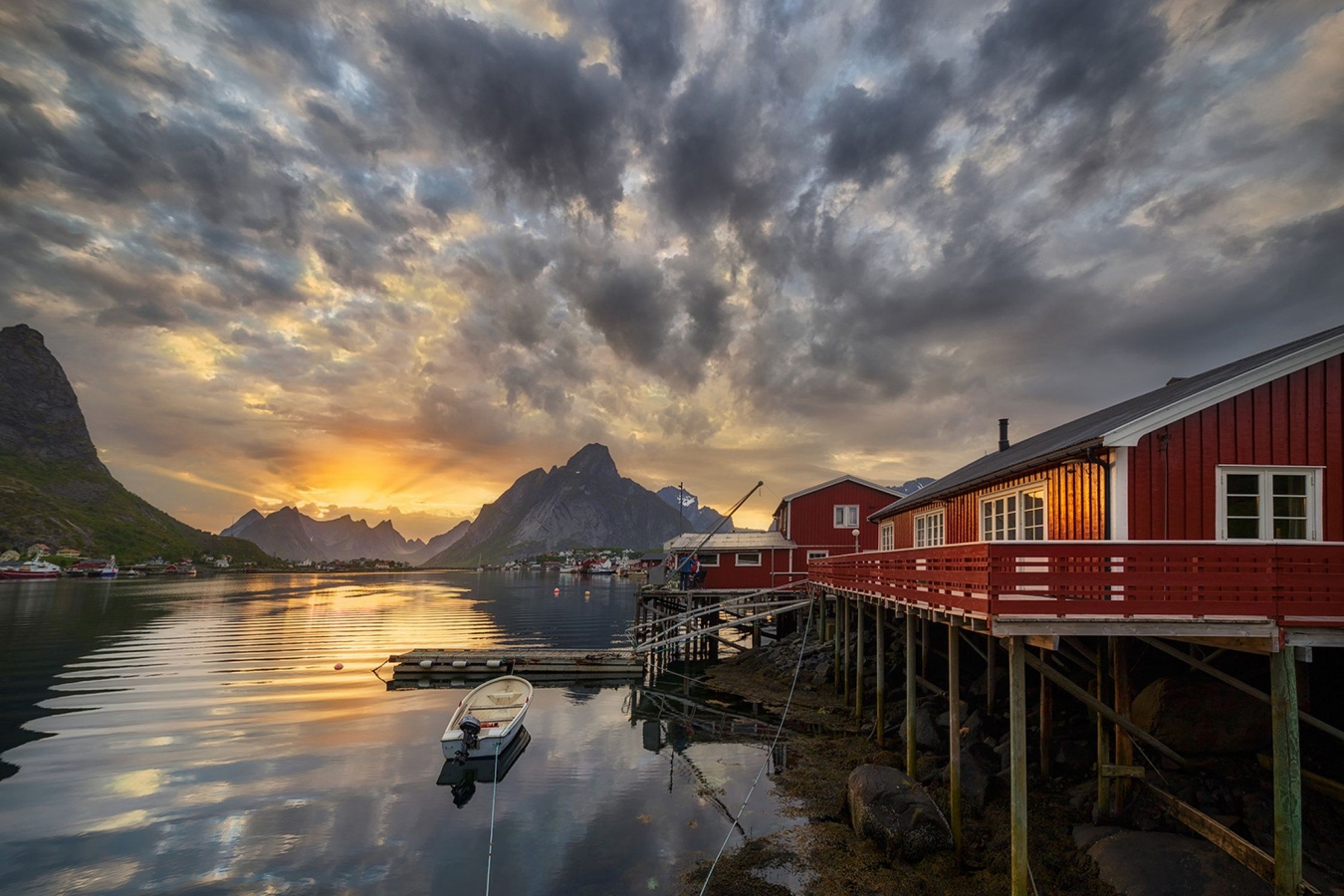
The summer solstice, which marks the longest day of the year in the Northern Hemisphere, happens today (June 21) at 11:54 a.m. EDT (3:54 p.m. GMT). This event happens when Earth's tilt toward the sun is at its maximum and the sun points directly over the Tropic of Cancer.
In other words, today is the longest day of the year in the Northern Hemisphere, with 14 hours, 53 minutes, and 41.2 seconds of sunlight. That extended daylight makes it difficult for people in northern latitudes to know when to go to sleep if they aren't looking at a clock, but the midnight sun is no problem for many other animals.
On this day, which provides a full 24 hours of daylight above the Arctic Circle, people in northern latitudes are celebrating with special events, like an overnight golf tournament in Dawson City, Yukon, Canada, and a camping festival at England's Stonehenge. But without a watch, those partiers may ignore their bedtime, as humans are terrible at telling time during mostly light or mostly dark periods, according to a 1974 study in The Journal of Physiology. That's because light has a major effect on the human body's circadian rhythm, or sleep-wake cycle.
But many animals in northern latitudes can naturally control their sleep-wake cycles in extreme daylight conditions, said Cory Williams, a biologist at the University of Alaska Fairbanks.
"There are animals that stop having a prolonged period of sleep," and they abandon their usual daily rhythm during this time of year, Williams told Live Science. For example, semipalmated sandpipers (Calidris pusilla) — small, brown-and-white shorebirds that breed above the Arctic Circle — are unfazed by the long periods of daylight. They alternate sleeping and waking hours with their nesting mate throughout the day. "When the male is active, the female is at the nest and vice versa," Williams said. "It's not on a 24-hour schedule."
Reindeer also ignore the absence of a light-dark cycle during the summer months. Instead, their sleep cycles are governed by ultradian rhythm, which means they sleep whenever they need to digest food. "They lose that long stretch of sleep they would normally have," Williams said. "They take lots of naps during the day instead of one concentrated bout of sleep.
This happens only in polar species, because their behavior is not entrained by light and dark cycles, Williams said. During this time of the year, the advantage for animals to be active at a particular time of day is lost. For instance, foraging at night doesn't save energy or provide protection from predators since it's daylight all the time.
But not all polar species abandon their circadian rhythm. For example, arctic ground squirrels (Spermophilus parryii) stick to their sleep schedules all year long. They retreat to their burrows during the darkest part of the day in the summer (which still isn't that dark, more like twilight) to save energy, Williams said.
Scientists such as Williams are still working to figure out what is different about polar animals that maintain entrained sleeping rhythms. As average global temperatures increase, animals are relocating to higher latitudes, Williams said, "so it will be interesting to see how animals that haven't been exposed to polar conditions will respond as they move north."
Reality Of Islam |
|

A study of

Researchers

MIT enginee
 9:3:43
2018-11-05
9:3:43
2018-11-05
10 benefits of Marriage in Islam
7:5:22
2019-04-08
benefits of reciting surat yunus, hud &
9:45:7
2018-12-24
advantages & disadvantages of divorce
11:35:12
2018-06-10
6:0:51
2018-10-16
1:34:8
2022-02-01
11:2:27
2022-10-06
3:43:50
2022-11-05
7:32:24
2022-02-14
3:18:29
2022-12-24
al-hussain (peace be upon him)
10:18:1
2022-09-21
8:30:23
2022-03-03
5:41:46
2023-03-18
| LATEST |
 HOME
HOME























