الوضع الليلي


 7:13:26
  2019-06-19
  1926
1926
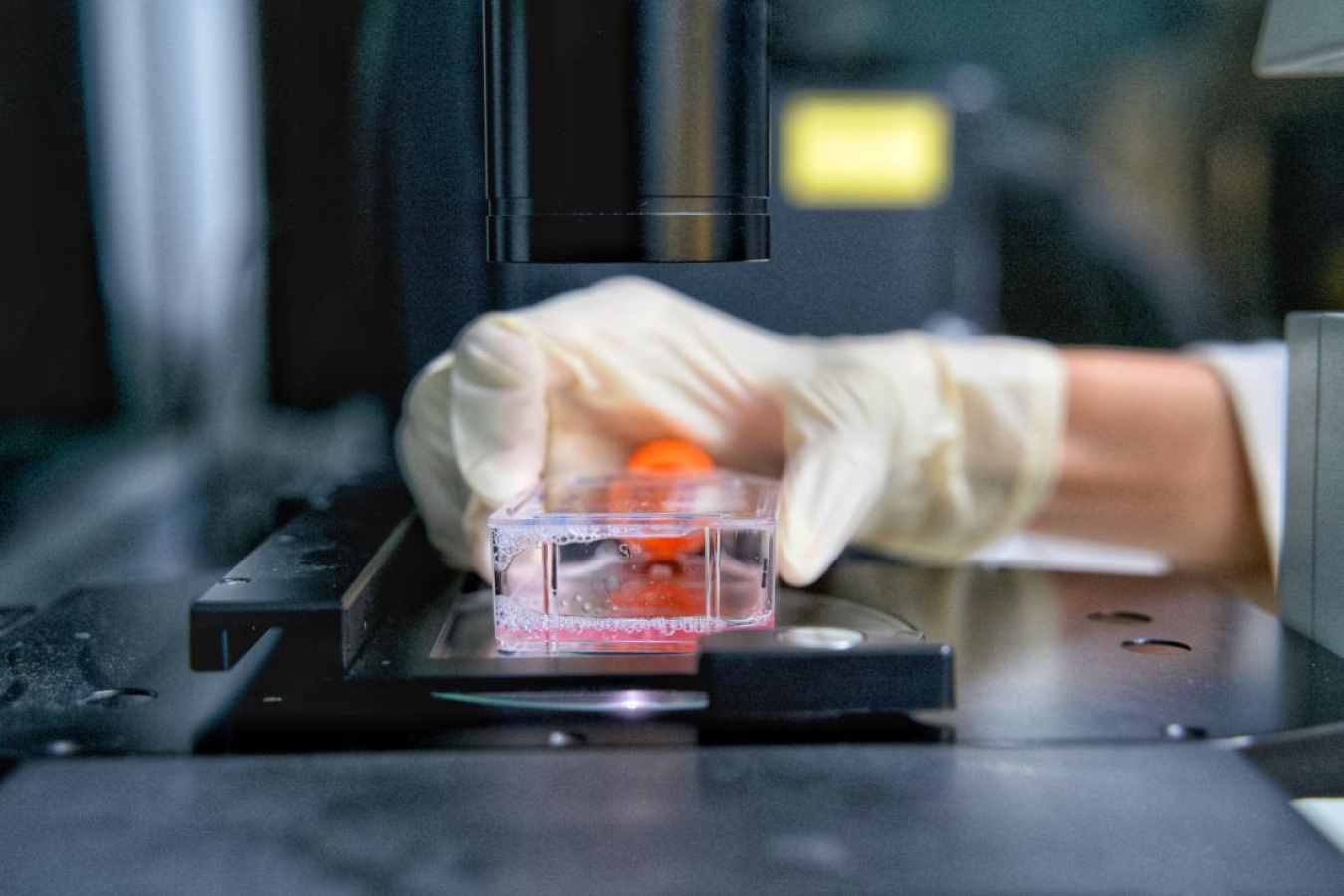
The main cause of failure in chemotherapy treatments is that tumors develop resistance to anticancer drugs. Now, a new study reveals how vitamin D can help to overcome this problem.
Researchers from South Dakota State University, in Brookings, have demonstrated that calcitriol and calcipotriol, two active forms of vitamin D, can block a mechanism that enables cancer cells to become drug-resistant.
The mechanism is a drug transporter protein called multidrug resistance-associated protein 1 (MRP1). The protein sits in the cell wall and drives a pump that ejects cancer drugs out of the cell.
The researchers showed that calcitriol and calcipotriol can selectively hone in on cancer cells that have too much MRP1 and destroy them.
Surtaj Hussain Iram, Ph.D. — an assistant professor of chemistry and biochemistry at South Dakota State University — is the senior study author of a recent Drug Metabolism and Disposition paper about the findings.
He states that "Several epidemiologic and preclinical studies show the positive effect of vitamin D in reducing cancer risk and progression, but we are the first to discover its interaction with drug transporter protein and its ability to selectively kill drug-resistant cancer cells."
Iram explains that calcitriol and calcipotriol cannot kill "naive cancer cells," which have not yet developed chemoresistance. However, once the cells become drug-resistant, they fall prey to calcitriol and calcipotriol.
Transporter proteins and multidrug resistance
Drug transporter proteins drive the cell processes that absorb, distribute, and expel drugs from the body.
Cancer cells that develop resistance to chemotherapy drugs often overexpress, or overproduce, transporter proteins. This abundance is the primary cause of chemoresistance.
Studies have linked overexpression of MRP1 with multidrug resistance in cancers of the breast, lung, and prostate.
The fact that calcitriol and calcipotriol can kill chemoresistant cancer cells is an example of what scientists describe as "collateral sensitivity."
Collateral sensitivity is the "ability of compounds to kill" multidrug-resistant cells but not the parent cells that they came from.
Around 90% of chemotherapy treatment failures are due to acquired drug resistance. Multidrug-resistant cells have become resistant to drugs that differ, not only in structure, but also in the way that they act.
The main cause of such resistance are efflux pumps, which drive out so much of the drug that the level that remains in the cell is too low be effective.
'Achilles' heel of drug-resistant cancer cells'
However, while overexpression of MRP1 is an advantage in the sense that it enables cancer cells to pump out chemotherapy drugs, it is also a potential disadvantage, in that targeting the protein can knock out the pump.
As Iram points out, "Gaining strength in one area usually creates weakness in another area — everything in nature comes at a price."
"Our approach," he adds, "is to target the Achilles' heel of drug-resistant cancer cells through exploiting the fitness cost of resistance."
Using cultured cancer cells, he and colleagues tested eight compounds that previous studies had identified as being able to interact with MRP1.
Of the eight compounds, they found that "the active metabolite of vitamin D3, calcitriol, and its analog calcipotriol" both blocked MRP1's transport function and also only killed cells that overexpressed the transporter protein.
"Our data," the authors conclude, "indicate a potential role of calcitriol and its analogs in targeting malignancies in which MRP1 expression is prominent and contributes to [multidrug resistance]."
Wide-ranging implications
Iram says that their findings also have implications for the treatment of many other diseases.
MRP1 doesn't just reduce the effectiveness of cancer drugs, it can also weaken the effect of antibiotics, antivirals, anti-inflammatories, antidepressants, and drugs that treat HIV.
In addition, MRP1 is just one type of transporter protein. It belongs to a large family — called ABC transporters — that move substances in and out of all kinds of cells, not only in animals, but also in plants.
In fact, there are more ABC transporter proteins in plants, meaning that the findings could also have wide-ranging implications in food and agriculture.
"If we can get a better handle on these transporters, we can improve drug efficacy. Patients can take less medication yet get the same effect because the drugs are not being pumped out so much." Surtaj Hussain Iram, Ph.D.
Source: Medicalnewstoday.com
Reality Of Islam |
|
Plants are

After spend
A study of

Researchers
 9:3:43
2018-11-05
9:3:43
2018-11-05
10 benefits of Marriage in Islam
7:5:22
2019-04-08
benefits of reciting surat yunus, hud &
9:45:7
2018-12-24
advantages & disadvantages of divorce
11:35:12
2018-06-10
6:0:51
2018-10-16
7:0:55
2022-05-17
10:55:53
2022-06-13
2:5:14
2023-01-28
7:26:19
2022-04-08
3:43:50
2022-11-05
9:50:37
2023-02-28
2:11:12
2022-10-15
5:41:46
2023-03-18
| LATEST |
 HOME
HOME