الوضع الليلي


 5:42:30
  2019-04-02
  3703
3703
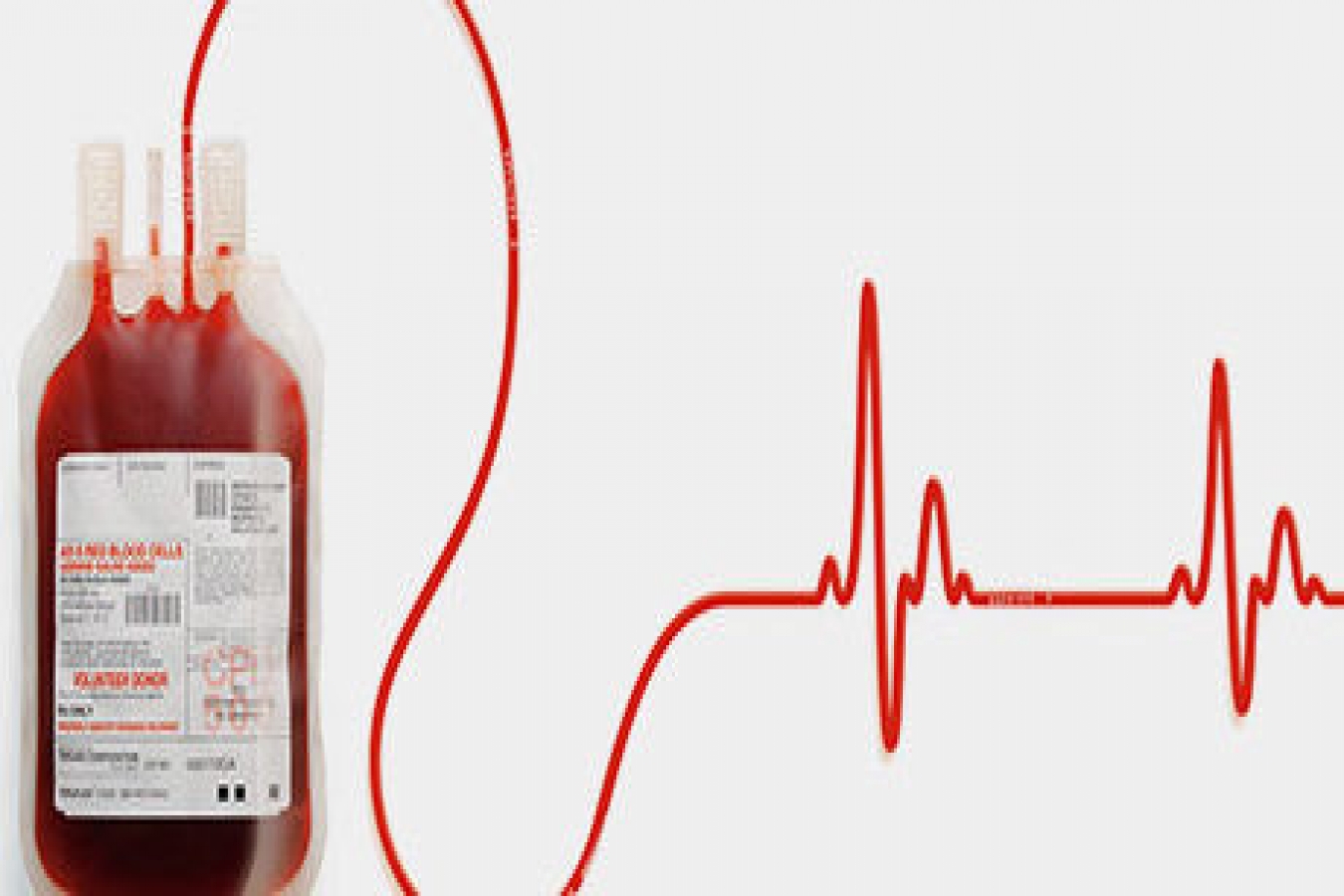
Here's a breakdown of the most common and least common blood types by ethnicity, according to the American Red Cross.
O-positive:
O-negative:
A-positive:
A-negative:
B-positive:
B-negative:
AB-positive:
AB-negative:
A person's blood type is based on whether or not they have certain molecules or proteins — called antigens — on the surface of their red blood cells, according to the National Institutes of Health. Two of the main antigens used for blood typing are known as "A antigen" and "B antigen." People with type A blood only have A antigens on their red blood cells and those with type B blood have only B antigens. Individuals with type AB blood have both; people with type O blood have neither.
Another protein, the "Rh factor" – also known as the "Rhesus" system – is also present or absent on red blood cells. A person's blood type is designated as "positive" if they have the Rh protein on their red blood cells, and "negative" if they don't have this protein.
A person's blood type is genetic, inherited from his or her parents, according to the Red Cross.
Blood typing is particularly important for blood transfusions, because certain antigens on blood cells can trigger a person's immune system to attack the donated blood.
People who are Rh-negative can only receive Rh-negative blood, but people who are Rh- positive can receive either Rh-positive or Rh-negative blood, the Red Cross says.
What's more, type A blood can be used for transfusions for patients with type A or type AB blood; type B blood can be used for patients with type B or type AB blood; and type AB blood can be used for patients with type AB blood. People with type O blood are called "universal donors" because this type can be used for patients with any blood type.
Type O blood is often in short supply in hospitals, due to demand for this universal donor type, according to the Red Cross. In particular, type O-negative blood is in high demand because it's the one most often used for emergencies, when there may not be time to determine a patient's blood type.
By Rachael Rettner, Live Science
Reality Of Islam |
|
Plants are

After spend

A study of

Researchers
 9:3:43
2018-11-05
9:3:43
2018-11-05
10 benefits of Marriage in Islam
7:5:22
2019-04-08
benefits of reciting surat yunus, hud &
9:45:7
2018-12-24
advantages & disadvantages of divorce
11:35:12
2018-06-10
6:0:51
2018-10-16
2:33:4
2023-02-15
2:5:14
2023-01-28
4:2:19
2022-10-10
2:34:48
2022-01-18
6:14:17
2018-06-21
2:13:43
2022-05-27
6:28:21
2022-12-20
5:41:46
2023-03-18
| LATEST |
 HOME
HOME